
Ngorongoro Crater Day Trip from Moshi | 1-Day Tanzania Safari
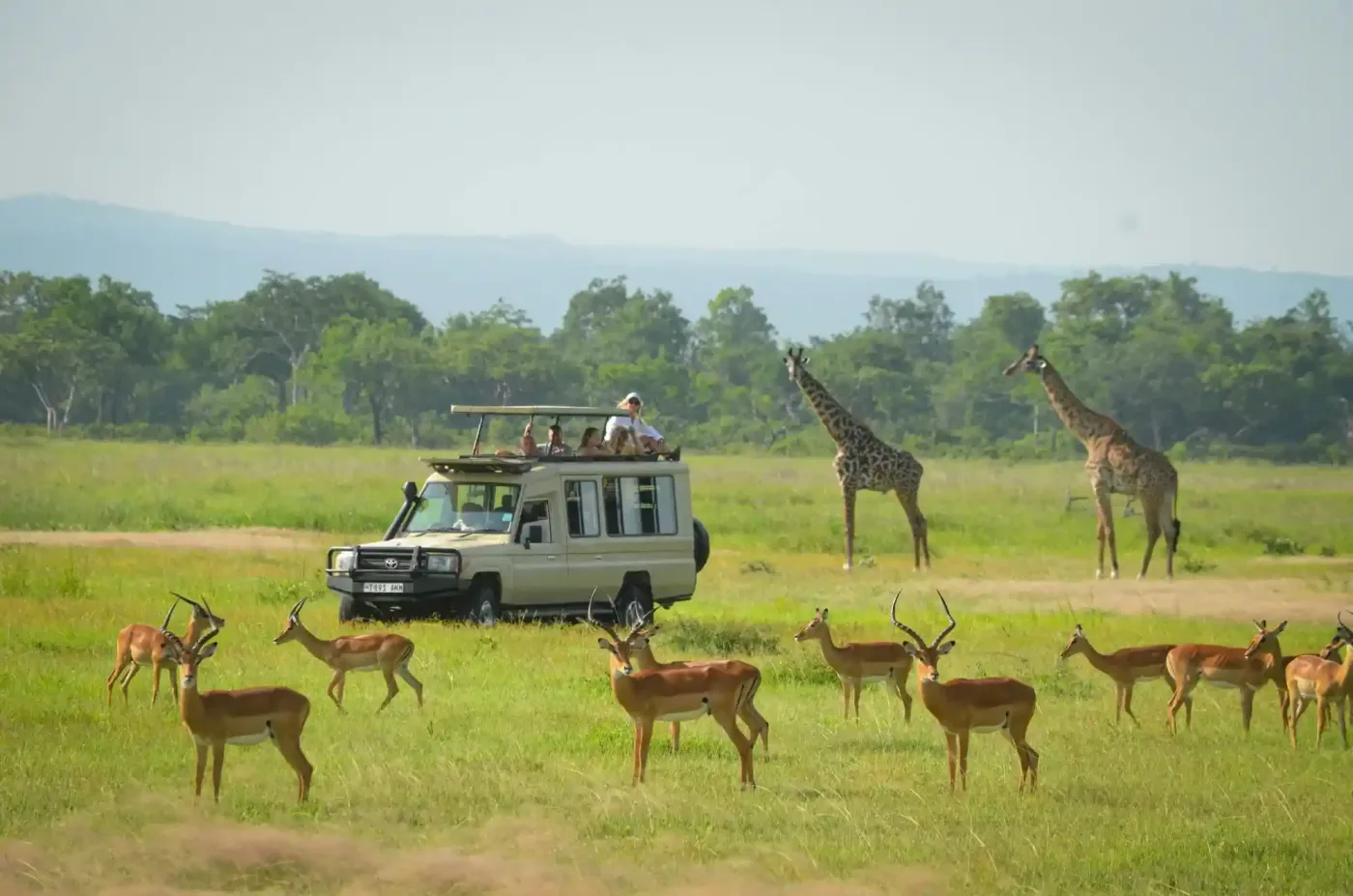
The Ngorongoro Crater is one of the few places in Tanzania where all five of the Big Five — including black rhino — are reliably seen in a single day. The crater floor is a self-contained ecosystem, enclosed within an ancient volcanic caldera, which keeps wildlife concentrated and sighting rates consistently high regardless of season. This day trip departs from Moshi at 5:00 AM, drives west through Arusha and into the highlands, and gives you 6–8 hours on the 260 km² crater floor before returning to Moshi in the evening. It's a long day, and we'll be upfront about that — but for Kilimanjaro visitors or short-stay travelers who want genuine Big Five wildlife, it's the most rewarding safari option available from Moshi in a single day.
Book Your Safari NowNgorongoro Crater Day Trip from Moshi at a Glance
- Duration: 1 day (6–8 hours on the crater floor).
- Starting price: From $920 per person (group tour).
- Departure: 5:00 AM from your Moshi hotel.
- Drive time: Approx. 4–5 hours each way (via Arusha).
- Crater floor area: 260 km² (part of the 8,292 km² Ngorongoro Conservation Area).
- Wildlife focus: All Big Five (including black rhino), flamingos, hippos, 500+ bird species.
- Tour style: Guided safari, small groups (2–8 people) or private.
- Crater rim altitude: Approx. 2,300 m — warm layers essential for the morning drive.
- Best time to visit: June–October (dry season); accessible year-round.
- Ideal for: Kilimanjaro trekkers with a free day, short-stay travelers, photographers, families (ages 5+).
Why Choose a Ngorongoro Crater Day Trip from Moshi?
Moshi sits at around 900 m on the lower slopes of Kilimanjaro, roughly 80 km east of Arusha along the northern highway. It's primarily a base for Kilimanjaro climbers, but it's also a practical departure point for day safaris, with Ngorongoro being the most wildlife-rich option in a single day's drive. The journey west takes 4 to 5 hours and passes through Arusha before climbing into the highland farming zone and the forested Conservation Area boundary — a scenic route in its own right.
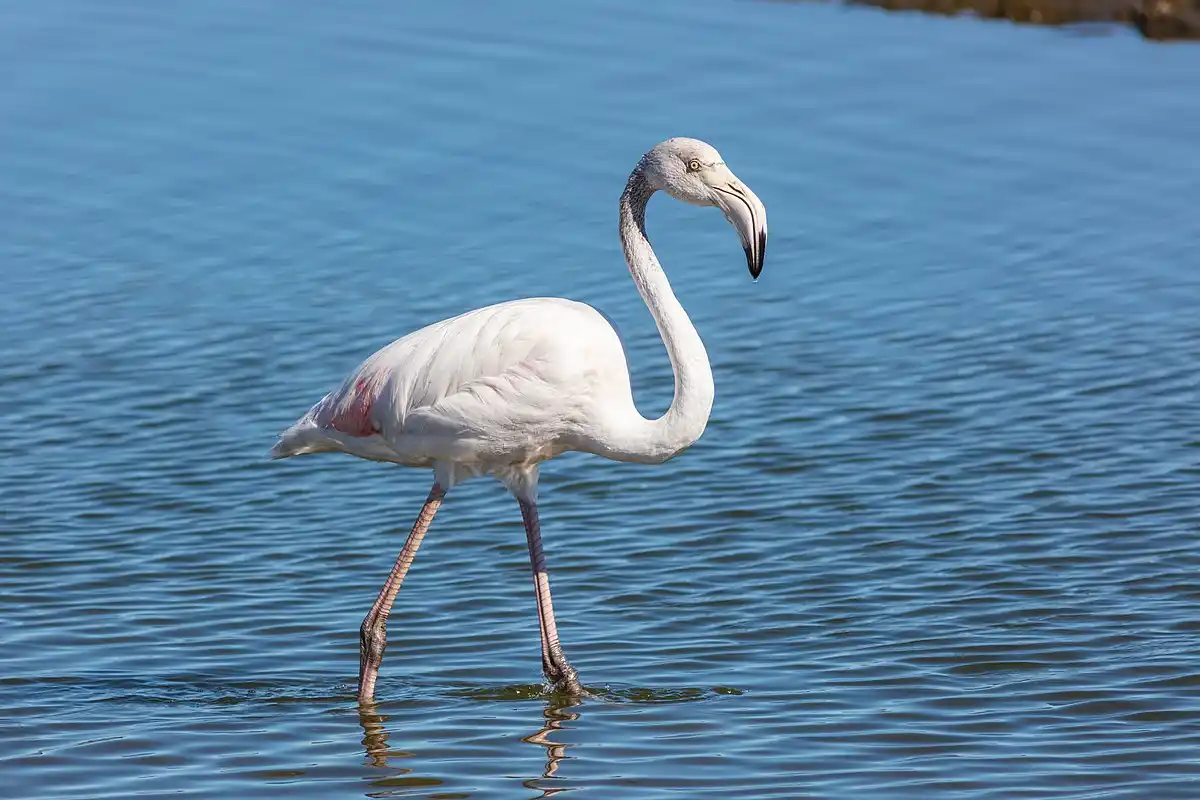
The Ngorongoro Crater itself is managed by the Ngorongoro Conservation Area Authority (NCAA), a distinct body from Tanzania National Parks (TANAPA), and holds UNESCO World Heritage status. What sets it apart from other safari destinations is the caldera: because the crater is an enclosed ancient volcano, wildlife cannot migrate out. Lions, elephants, black rhinos, buffalo, and leopards are permanent residents, and Lake Magadi on the crater floor draws flamingos in large numbers, while the Lerai Forest and Hippo Pool add further variety. No other site in Tanzania gives you a comparable chance at all five of the Big Five in a single game drive.
Is one day enough from Moshi? The honest answer is: it's worth it, but know what you're signing up for. You'll spend roughly 10 hours in transit across the full day, with 6–8 productive hours on the crater floor in between. For most travelers — particularly Kilimanjaro trekkers who want to add wildlife to their trip without a second overnight — that trade-off makes sense. Those who want a slower pace or a shorter drive might consider Arusha National Park as a closer alternative, though wildlife density there is significantly lower.
Ngorongoro Crater Day Safari Itinerary from Moshi
The earlier departure from Moshi compared to Arusha is necessary to reach the crater at a useful hour. Here's how the day is structured.
Early Morning: Departure from Moshi to Ngorongoro
We collect you from your Moshi hotel at 5:00 AM. The drive heads west through Arusha and continues into the highland zone, reaching the Ngorongoro Conservation Area gate after approximately 4 to 5 hours. Moshi itself sits at around 900 m, but the route climbs steadily and the crater rim at 2,300 m is noticeably colder — particularly in the early morning before sunrise. We pause briefly at the rim viewpoint before descending to the crater floor, where temperatures warm up considerably once you drop below the forest line.
- Drive Time: Approx. 4–5 hours (via Arusha)
- Highlights: Kilimanjaro views on clear mornings, highland farming scenery, crater rim viewpoint
- Meals: Breakfast at hotel before departure, or provided on request
Mid-Morning to Afternoon: Game Drive on the Ngorongoro Crater Floor
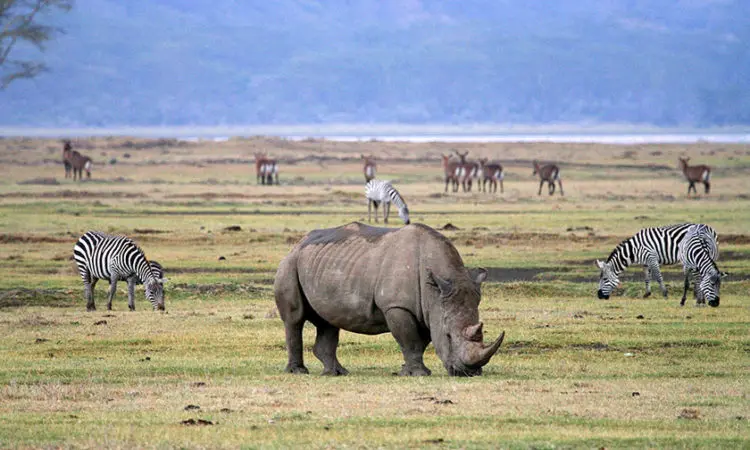
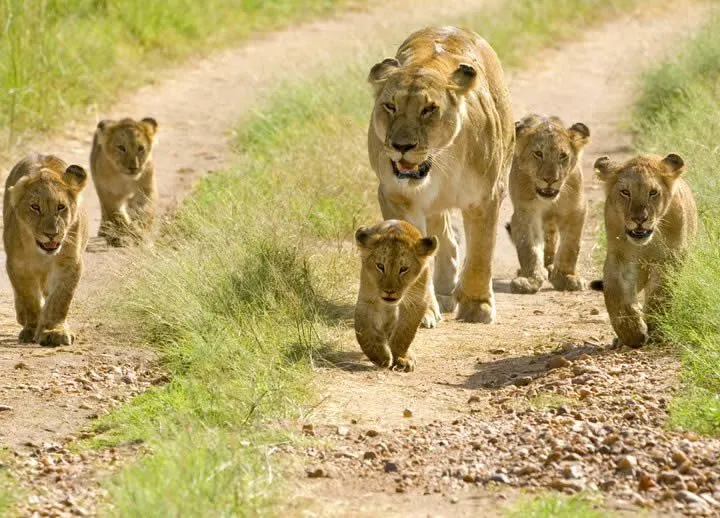
Once on the 260 km² crater floor, you'll have 6–8 hours for game drives covering the main wildlife circuits. Our guides know the crater well and direct the route based on current conditions and sighting reports. Black rhinos are most reliably spotted near the Lerai Forest; lions roam the open grasslands throughout the crater; and the Hippo Pool is a fixed stop for hippos and associated water birds. Lake Magadi is where you'll find flamingos, best viewed in the dry season when the lake level is lower. Lunch is taken at the designated picnic site — the only point on the crater floor where guests may step outside the vehicle.
- Activities: Full game drive, picnic lunch at designated site
- Highlights: All Big Five including black rhino, flamingos on Lake Magadi, Hippo Pool, Lerai Forest
- Meals: Packed lunch and bottled water provided
Late Afternoon: Return to Moshi
After the game drive we ascend from the crater floor and begin the return drive to Moshi, passing back through Arusha and arriving in Moshi between 7 and 8 PM depending on traffic. If your schedule allows, on clear days the evening drive back from the highlands offers views of Kilimanjaro at dusk. We can drop you at your Moshi hotel or at Kilimanjaro International Airport (JRO), which is approximately 50 km from central Moshi, if your onward flight suits the timing.
- Drive Time: Approx. 4–5 hours return
- Highlights: Crater rim views, possible Kilimanjaro silhouette at dusk
- Meals: None included (dinner at hotel or own arrangement)
Who This Day Trip Is Best For — and Who It May Not Suit
This trip works well if: you're based in Moshi for a Kilimanjaro climb and have one free day before or after your trek; you specifically want to see black rhino — Ngorongoro is the most reliable destination for this in Tanzania; you're a photographer targeting high wildlife density in varied terrain (open grassland, Acacia woodland, and lakeside); you're comfortable with a long travel day and want the best wildlife experience Moshi can offer; or you want to combine the crater with a Kilimanjaro climb in one Tanzania trip without relocating to Arusha.
It may not suit you if: the 8–10 hours of total driving in one day feels too demanding — in which case, Arusha National Park is accessible in around 1.5 hours from Moshi and offers a gentler introduction to Tanzania's wildlife; you're traveling with very young children who will struggle with the early 5:00 AM start and long road journey; or you want to cover Serengeti and Ngorongoro in the same trip, which works better as a multi-day itinerary based out of Arusha.
If you're deciding between options, send us a message on WhatsApp and we'll help you find the best fit for your schedule and priorities.
Optional Maasai Village Visit
If you'd like to add a cultural element to the day, we can arrange a community-licensed visit to a Maasai village near the Conservation Area boundary on the return drive. The Maasai have co-existed with the Ngorongoro Conservation Area's wildlife for generations, and the visit supports local income directly. You'll have the chance to learn about daily community life, traditional building and herding practices, and local craftwork, guided by our driver-guide as interpreter. This is a genuine community engagement, not a staged presentation, and we ask guests to approach it with that in mind.
- Duration: 1–1.5 hours (additional, adds to the return time)
- Highlights: Community interaction, traditional crafts, Maasai way of life
- Cost: Small additional fee paid directly to the community (contact us for the current amount)
Ngorongoro Crater Safari Gallery
Ngorongoro Crater Location Map
Moshi sits approximately 260 km east of the Ngorongoro crater rim. The map below shows the crater's location relative to Moshi, Arusha, and the wider northern Tanzania circuit.
What to Pack for Your Ngorongoro Crater Day Trip from Moshi
The most important packing consideration for this trip is cold-weather preparation. Moshi is warm (around 25°C at the town level), which can lead travelers to underpack — but the Ngorongoro crater rim at 2,300 m above sea level is a different environment entirely. At 5:00 AM departure, temperatures along the highland route and at the rim can drop below 10°C. Kilimanjaro trekkers returning from the mountain often already have suitable warm layers from their climb — these are exactly the right clothes for the crater rim. Here's the full list:
- Warm Fleece or Jacket: Essential — the crater rim is significantly colder than Moshi. Kilimanjaro trekkers can use their trek gear.
- Neutral Clothing: Long-sleeved shirts and trousers in khaki or beige for the game drive and sun protection on the crater floor.
- Binoculars: 8x42 or 10x42 — particularly useful for spotting black rhinos at a distance across the open grassland.
- Sunscreen & Hat: SPF 50+ and a wide-brimmed hat for open-roof driving during the warmer midday hours in the crater.
- Insect Repellent: DEET-based, particularly near the Hippo Pool and Lake Magadi.
- Camera with Zoom: A 200mm+ lens makes a significant difference for rhino, lion, and flamingo photography.
- Reusable Water Bottle: Bottled water is provided, but a backup for a full-day drive is sensible.
- Comfortable Closed-Toe Shoes: For transfers and the designated picnic site stop.
How Much Does a Ngorongoro Crater Day Trip from Moshi Cost?
A Ngorongoro Crater day trip from Moshi starts at approximately $920 per person for a shared group tour. Pricing is slightly higher than equivalent trips from Arusha to reflect the additional drive distance and fuel costs. The Ngorongoro Conservation Area charges among the highest per-person entry fees in Tanzania — a conservation levy that funds wildlife protection and Maasai community programs in the area. This fee is included in our quoted price.
- Group Tour (shared vehicle): From $920 per person — sharing a vehicle with other travelers reduces cost while maintaining the full crater experience.
- Private Safari: Higher cost depending on group size — your own vehicle, dedicated guide, and flexibility on timing and route.
- With Maasai Village Add-On: Small additional community fee payable locally (contact us for the current amount).
For a tailored quote based on your dates and group size, message us on WhatsApp and we'll respond within a few hours.
Ngorongoro Crater Day Trip from Moshi: Price Inclusions & Exclusions
Here's exactly what's covered in the package price and what falls outside it, so you can plan your budget clearly before inquiring.
Price Inclusions
- Round-trip transfers from your Moshi hotel
- 4WD safari vehicle with pop-up roof
- Professional English-speaking guide
- Ngorongoro Conservation Area park and conservation fees
- Packed lunch and bottled water during the game drive
- 6–8 hours of guided game driving on the crater floor
Price Exclusions
- International flights to Tanzania
- Travel or medical insurance
- Guide tips (~$10–15 per person per day, customary)
- Personal expenses (souvenirs, snacks, etc.)
- Optional Maasai village community fee
- Alcoholic beverages
Note on vehicle rules: NCAA regulations require all guests to remain inside the vehicle on the crater floor at all times, except at the designated picnic site. This is enforced by Conservation Area rangers and applies to all operators equally.
Ready to Book Your Ngorongoro Crater Day Trip from Moshi?
If this itinerary fits your Moshi schedule, the next step is straightforward: send us your preferred dates and group size and we'll confirm availability and prepare a quote. We typically respond within a few hours, and there's no obligation — if you're still comparing options or have questions about the long drive, we're happy to talk through alternatives too.
- All Big Five present year-round, including black rhino
- Experienced, NCAA-licensed guides in well-maintained 4WD vehicles
- All park and conservation fees included in the quoted price
- Private and small-group options available
- Drop-off at Kilimanjaro International Airport (JRO) on return, if needed
Book Your Ngorongoro Crater Day Trip from Moshi
Related Day Trips & Safaris from Moshi
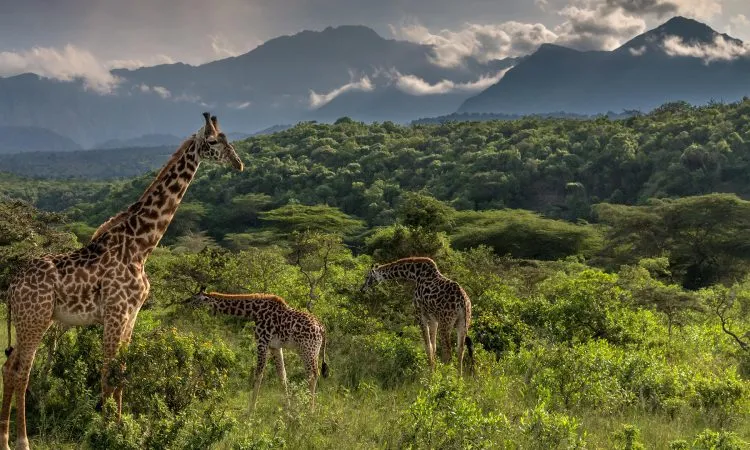
Arusha National Park Day Trip
The closest safari option to Moshi — around 1.5 hours each way. Lush forests, crater lakes, colobus monkeys, and Mount Meru views, with walking safari options. A good choice if the long Ngorongoro drive feels too demanding.
View Package →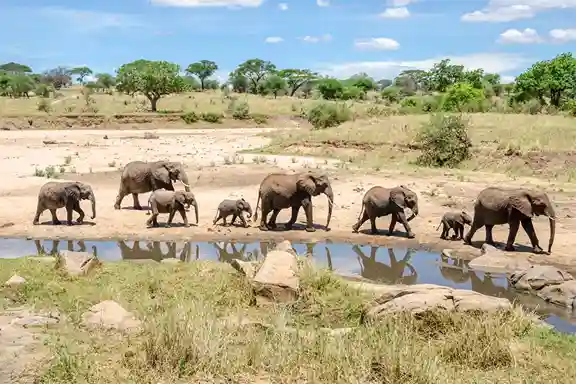
Tarangire National Park Day Trip
Large elephant herds, ancient baobab trees, and excellent birdwatching. Around 3 hours from Moshi, making it a slightly more manageable full-day trip than Ngorongoro.
View Package →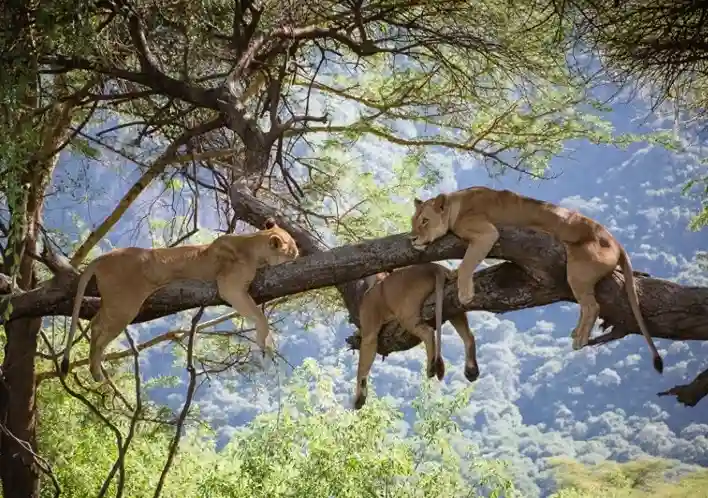
Lake Manyara Day Trip
Tree-climbing lions, hippos, large flamingo flocks, and forest elephants. Around 3.5 hours from Moshi and often paired with Ngorongoro as a two-day northern circuit.
View Package →Combine Your Safari with a Kilimanjaro Climb
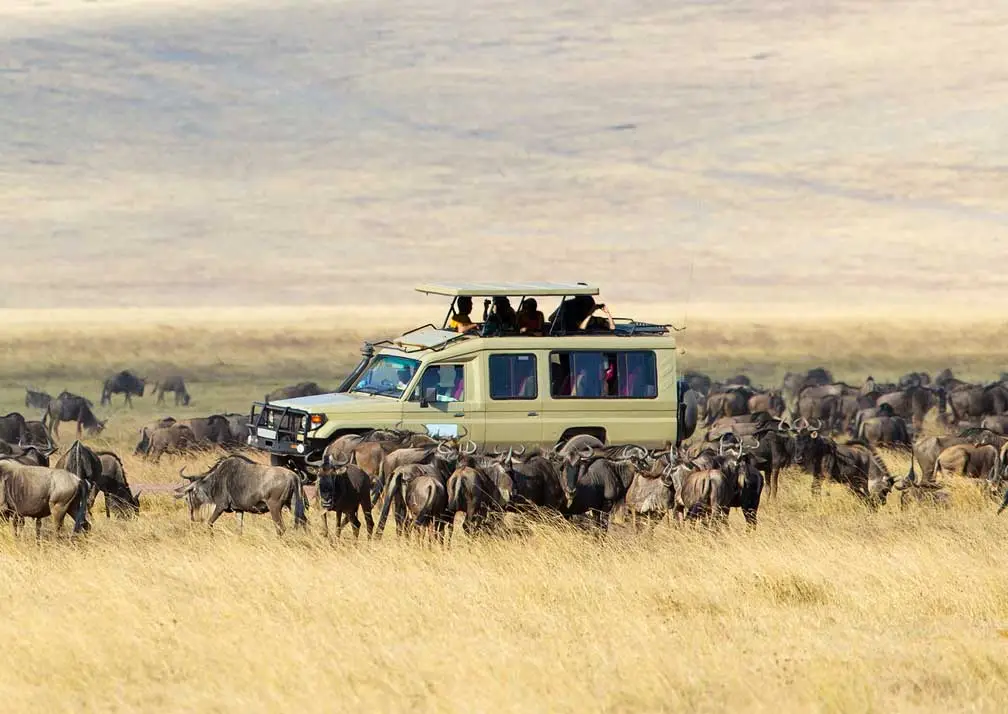
Great Migration Safaris
Multi-day packages timed for Serengeti river crossings or calving season. The natural next step after a Ngorongoro day trip for travelers who want to see the wider northern circuit.
View Package →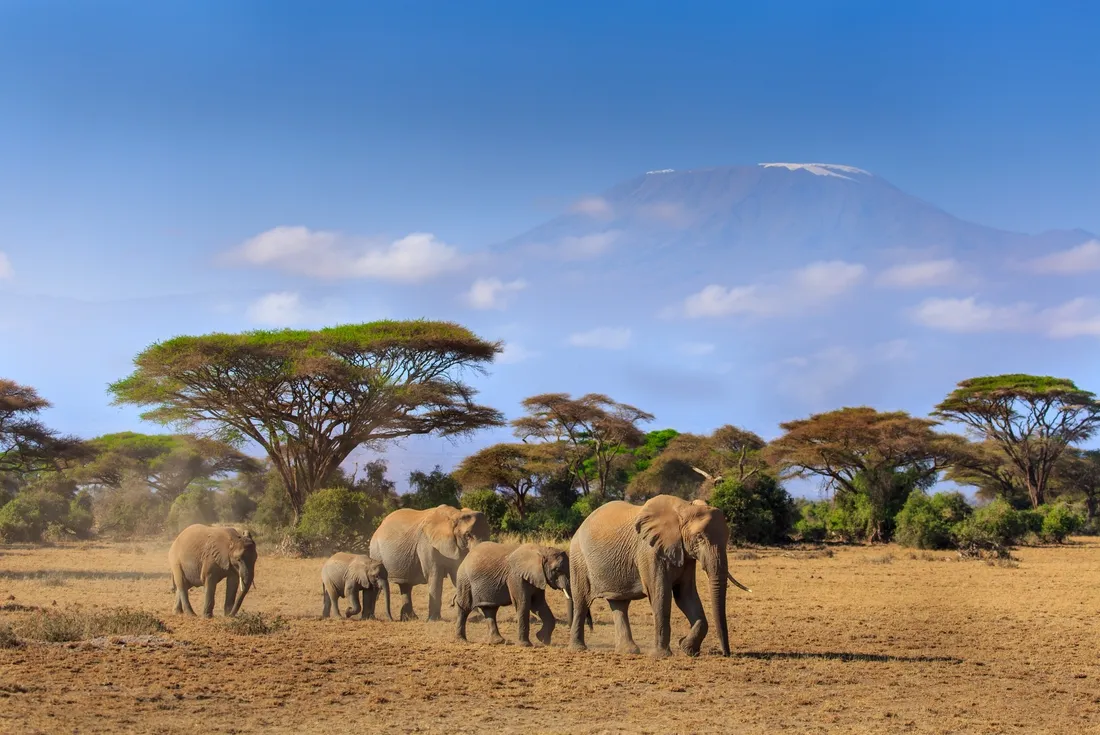
Serengeti & Kilimanjaro Trek
Combined safari and trekking itineraries — the most popular way to pair a Kilimanjaro climb with a northern-circuit wildlife experience in one Tanzania trip.
View Package →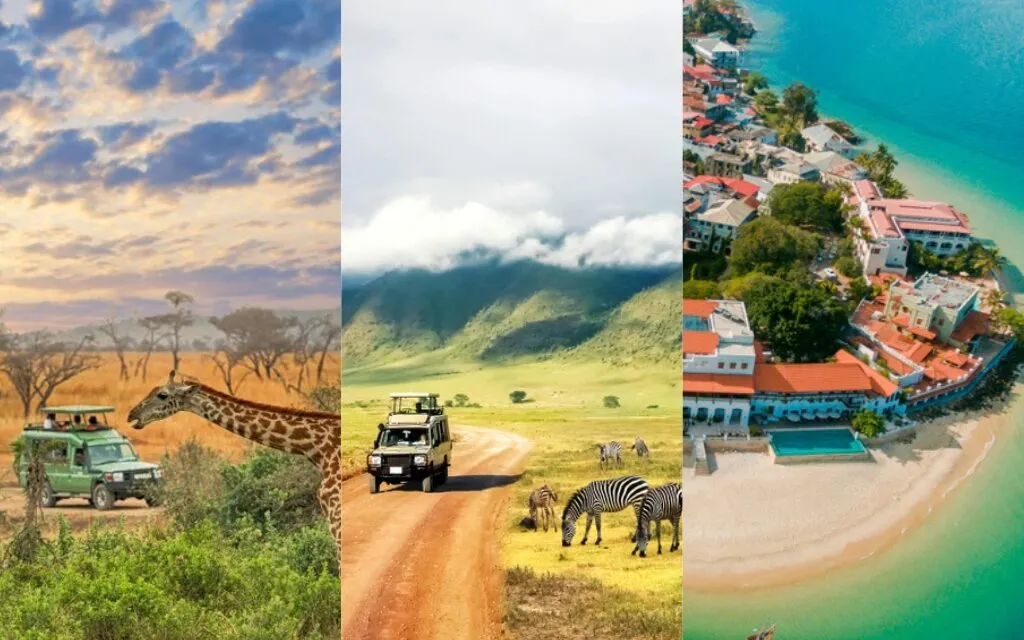
Serengeti & Zanzibar Tours
Northern circuit safari followed by a few days on Zanzibar's coast — a popular three-part Tanzania itinerary: Kilimanjaro, Serengeti, Zanzibar.
View Package →