
2-Day Budget Serengeti Safari 2026/2027
This 2-day budget Serengeti safari is a compressed itinerary for travelers who accept long road transfers or choose an optional fly-in arrangement. Budget camping or simple accommodation controls cost, while the real planning question is how much time remains for game drives. For most travelers, flying or adding a third day produces a better Serengeti experience.
Book Your Safari Now2-Day Budget Serengeti Safari Highlights
- Duration: 2 Days, 1 Night
- Destination: Serengeti National Park, Tanzania
- Departure Point: Arusha (hotel or Kilimanjaro Airport pickup)
- Main Focus: Big Five wildlife, guided game drives, wildlife photography
- Tour Style: Small-group guided budget safari (4–8 people)
- Best Time to Visit: June–October (dry season) or January–February (calving season)
- Ideal For: Budget travelers, first-time safari-goers, wildlife enthusiasts, solo travelers
- Starting Price: From $400 per person (group of 5+)
What Does a 2-Day Budget Serengeti Safari Include?
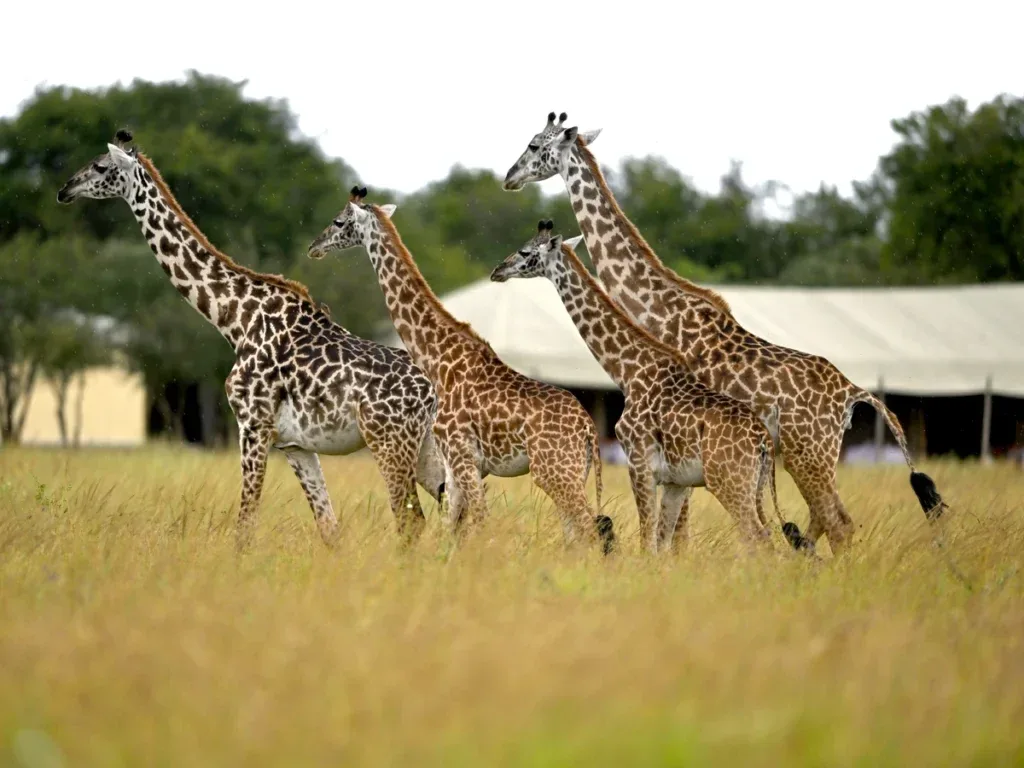
A 2-day budget Serengeti safari with Capable Africa Tours includes return transport from Arusha, a professional English-speaking safari driver-guide, game drives in a 4x4 safari vehicle through Serengeti National Park, all meals, one night of budget camping, and park entry fees. The tour covers the central Seronera region — among the most wildlife-rich areas of the park — giving travelers a genuine opportunity to see lions, elephants, buffalo, leopards, and giraffes during the available game-drive periods across the two-day route.
2-Day Budget Serengeti Safari Overview
Serengeti National Park is one of the oldest and most ecologically diverse ecosystems on earth — a UNESCO World Heritage Site covering over 14,750 square kilometres of open savannah, riverine forest, and granite kopjes in northern Tanzania. It supports some of the highest concentrations of large mammals anywhere in Africa, including an estimated 3,000 lions, 1,000 leopards, and the 1.5 million wildebeest at the heart of the Great Migration.
This 2-day safari is built for travelers who want a genuine Serengeti experience without an extended itinerary or a high-end lodge budget. We cover the Seronera area — the park's central zone and one of its most productive for resident wildlife — giving you two full game drives and a night in the bush. It won't cover everything the Serengeti has to offer, but it will give you a clear sense of what makes this landscape extraordinary.
Our guides are based in Arusha and work exclusively in the northern circuit. They know where lion prides have been spotted, where the leopards favor the sausage trees along the Seronera River, and which times of day produce the best sightings. That local knowledge makes a real difference over two days.
2-Day Budget Serengeti Safari Itinerary
Below is a representative schedule. Departure times and game drive routes are adjusted based on season, group preferences, and current wildlife activity reports.
Day 1: Arusha to Serengeti — Arrival and Afternoon Game Drive
Pickup from your Arusha hotel or Kilimanjaro International Airport begins at 6:00–6:30 AM. The drive northwest takes you through the Ngorongoro Conservation Area highlands — a scenic 4–5 hour journey covering approximately 335 km — before descending onto the Serengeti plains and entering through the Naabi Hill Gate.
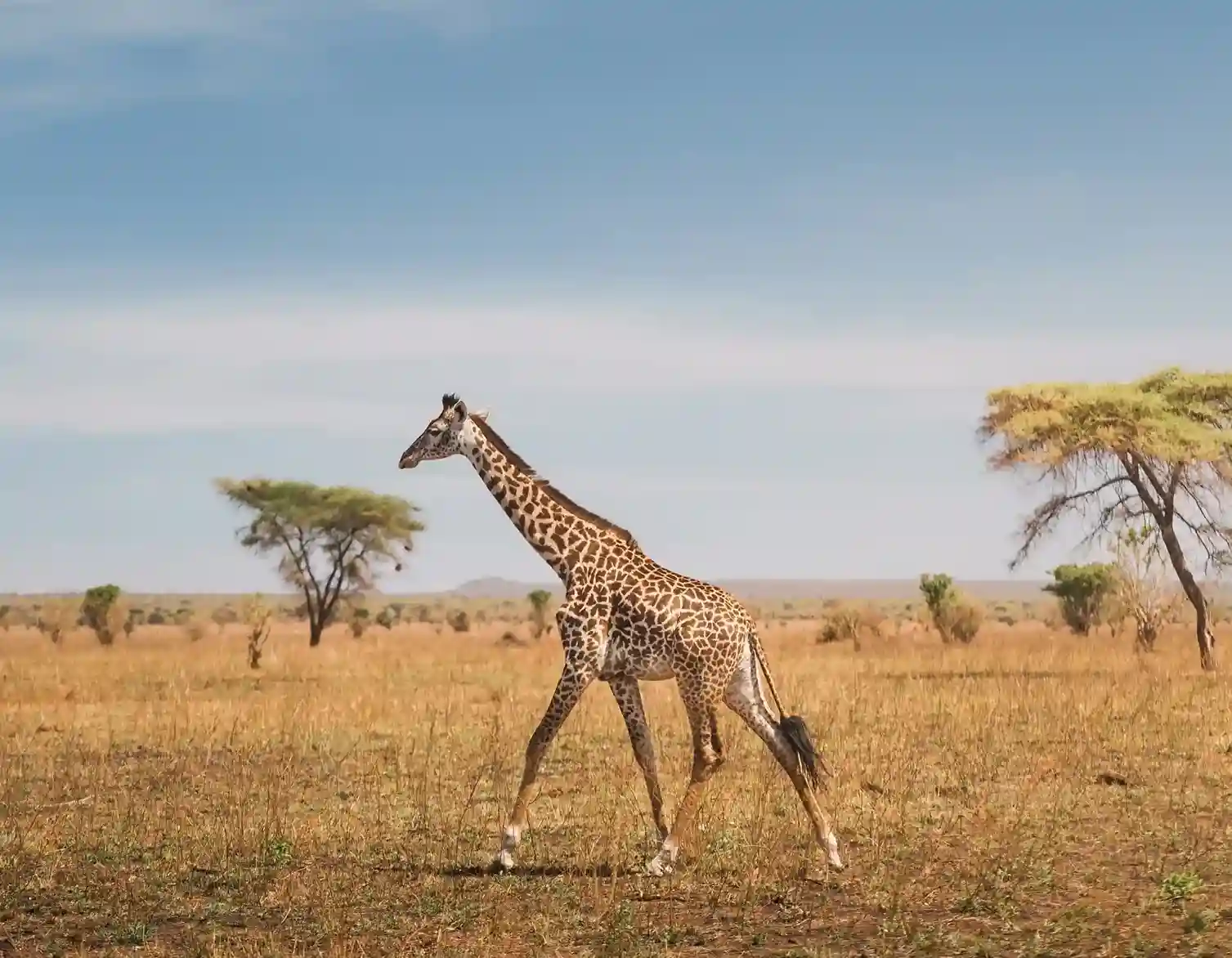
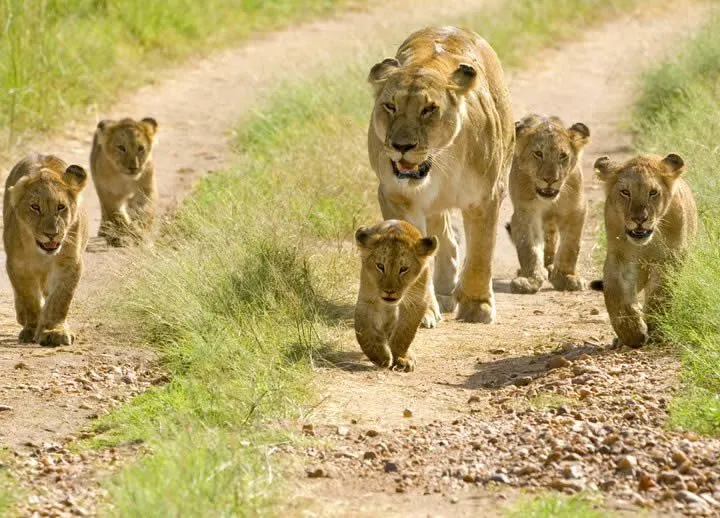
After a picnic lunch near the gate, your guide will begin the afternoon game drive through the central Seronera zone. This area is famous for its resident lion prides and is one of the best places in Africa to observe leopards resting in the fork of riverine fig and sausage trees. You may also encounter large elephant herds, buffalo, topi, and the striking silhouettes of giraffes feeding against an open sky.
As the light softens toward late afternoon, the game drive returns to your budget campsite. Dinner is prepared by the camp cook, and the evening is yours to spend around the campfire under one of the clearest night skies in East Africa.
Day 2: Full-Day Game Drive and Return to Arusha
An early start — typically 6:00–6:30 AM — takes full advantage of the golden hour when lions are most active and cheetahs are visible scanning the open plains from termite mounds. Your guide will plan the morning circuit based on fresh reports from the previous evening, covering the Seronera River circuit and potentially the Moru Kopjes depending on current wildlife activity.
After a midday break for lunch, a second afternoon game drive allows time to revisit productive areas or explore new terrain. Spotted hyena, zebra, wildebeest, and warthog are reliably encountered throughout. Cape buffalo herds and large elephant family groups are common. Cheetahs, while less frequent, are regularly sighted in open grassland areas.
The return drive to Arusha departs the park in the mid-afternoon, with estimated arrival back in Arusha between 8:00–9:00 PM depending on road conditions and traffic through the conservation area.
Who This Safari Is Best For
This tour works well for first-time safari-goers who want to experience the Serengeti without committing to a week-long itinerary. It suits solo travelers and couples joining a small shared group, budget-conscious travelers who want all-inclusive simplicity without the complexity of booking independently, wildlife photographers looking for good lion and leopard sighting opportunities in a short window, and travelers already in northern Tanzania — combining this with Kilimanjaro, Zanzibar, or Ngorongoro is straightforward.
This Tour May Not Be Ideal If:
You're specifically hoping to witness the Great Migration river crossings — those dramatic Mara River scenes require a longer itinerary timed to the July–October corridor in the northern Serengeti. You prefer lodge accommodation over camping — we can discuss lodge upgrade options, though this changes the price significantly. You want to cover multiple park ecosystems — Tarangire, Lake Manyara, and Ngorongoro are better explored as part of a longer northern circuit safari.
Why Choose This 2-Day Budget Serengeti Safari
What Sets This Tour Apart
- Local knowledge, not scripts: Our guides live and work in northern Tanzania. They track wildlife movements seasonally and adjust routes based on current conditions — not fixed itinerary templates.
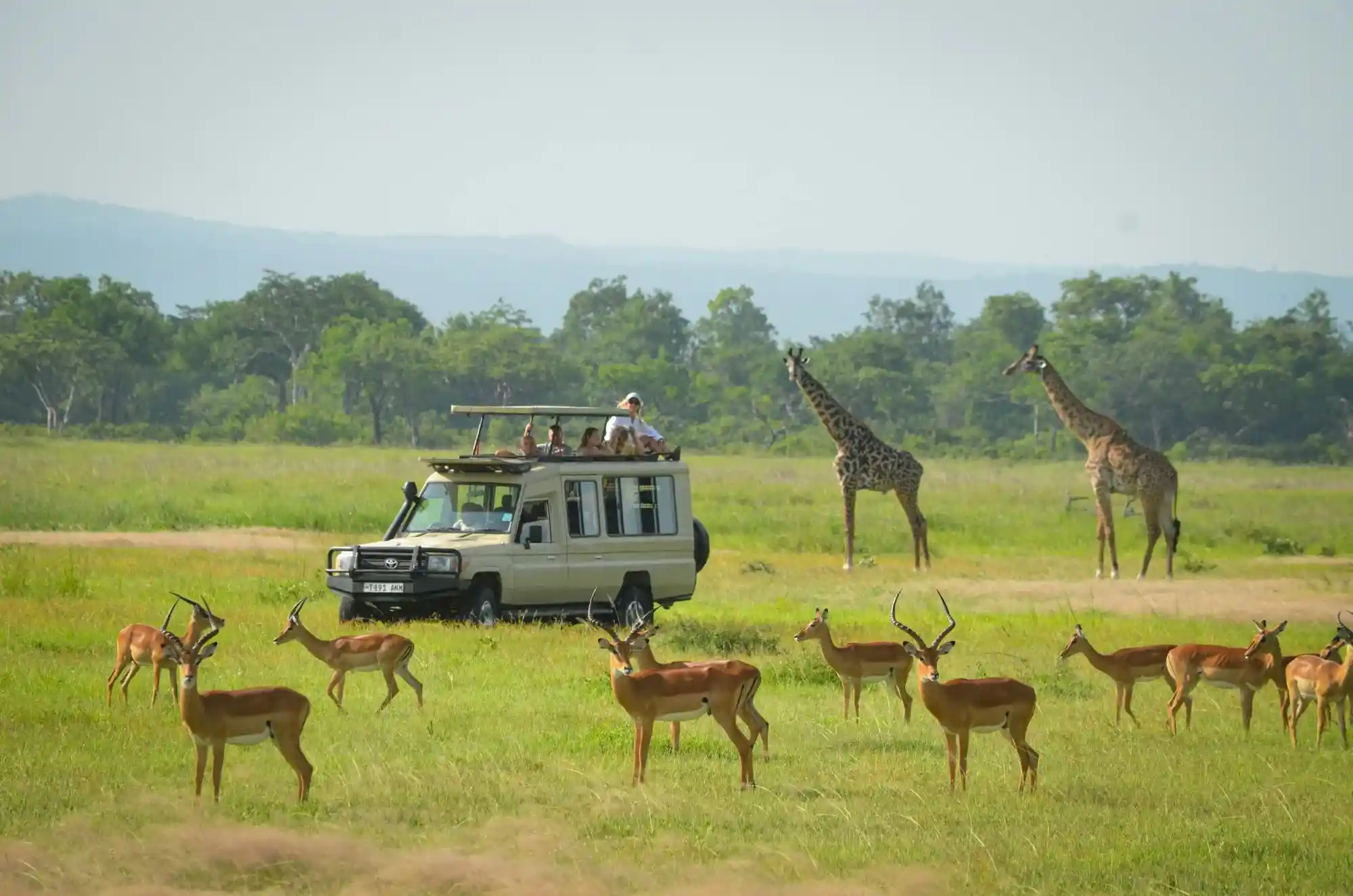
- Small groups with pop-up roof hatches: Maximum 8 travelers per 4x4 Land Cruiser means every seat has a clear sightline. Our vehicles have full roof hatches for open-air viewing and are equipped with binoculars and charging outlets.
- Transparent pricing: The price you see covers everything included. We don't add surprise charges on arrival. What's excluded is listed clearly.
- Budget without compromise on experience: Budget camping in the Serengeti means sleeping inside the park, closer to wildlife than any lodge perimeter fence. It's not a lower-quality experience — it's a different one, and for many travelers, the more memorable one.
- professional safari driver-guides: Our safari driver-guides are selected for professional field experience, route knowledge and responsible park conduct. Guide experience is confirmed for the assigned departure.
Key Facts about Your 2-Day Serengeti Safari
| Trip Aspect | Details |
|---|---|
| Distance from Arusha | ~335 km (4–5 hours via Ngorongoro Conservation Area) |
| Tour Duration | 2 days, 1 night — including road travel |
| Group Size | 4–8 people (private tours available) |
| Active Game Drive Time | Approx. 12 hours over 2 days |
| Park Coverage | Central Serengeti (Seronera zone) |
| Wildlife Population | ~1.5 million mammals; 500+ bird species |
| Lion / Leopard Sightings | High probability in Seronera zone; rhino sightings are rare in this area |
| Tour Satisfaction | 4.7 / 5 based on verified traveler reviews |
Wildlife Expectations: What You're Likely to See
Honest expectations matter more than promises. The Serengeti supports exceptional wildlife density, but no guide can guarantee specific sightings on any given day. Based on our experience running this route, here is what travelers typically encounter.
Reliably seen: Lion (particularly in the Seronera area, which supports one of Africa's densest resident populations), African elephant, Cape buffalo, plains zebra, common wildebeest, Masai giraffe, spotted hyena, warthog, topi, impala, and Thomson's gazelle. Birdlife is outstanding — lilac-breasted roller, secretary bird, kori bustard, and numerous raptors are regularly photographed.
Frequently seen with good guiding: Leopard (particularly along the Seronera River in riverine forest), cheetah (open grassland areas south and east of Seronera), silver-backed jackal, mongoose species, and African wild cat.
A note on black rhino: The Serengeti does have a small black rhino population, but sightings are genuinely rare and concentrated in specific remote zones not covered on a standard 2-day route. If seeing rhino is important to you, the Ngorongoro Crater — which we pass on the way — offers significantly better rhino sighting rates.
Best Time for a 2-Day Serengeti Safari
The Serengeti can be visited year-round, and each season offers something different. Here is a practical guide.
Dry season (June–October) is the most popular period. Vegetation is lower, animals concentrate around permanent rivers and waterholes, and roads are easier to navigate. Wildlife sightings are generally more consistent. This is also peak season, so early booking is advisable.
January–February brings the calving season to the southern Serengeti plains — hundreds of thousands of wildebeest calves are born within a few weeks, attracting a surge of predator activity. If you're interested in raw wildlife drama, this rivals the Migration crossings. Fewer tourists than the dry season makes it excellent value.
March–May (long rains) produces lush green landscapes and very low visitor numbers, with prices to match. Some murram roads become difficult after heavy downpours, but game drives are still productive and the park feels genuinely remote. This is when serious wildlife photographers often visit for the light and atmosphere.
November (short rains) is another quiet, affordable window with good wildlife sightings and manageable road conditions.
Local Expert Tips for Your Serengeti Safari
- The early game drive earns its wake-up call. Departing camp by 6:00 AM — before full daylight — is when lions are finishing nocturnal hunts and cheetahs are beginning theirs. Most photographers will tell you this is the best hour of any safari day.
- Seronera River is your best friend. The confluence of the Seronera and Orangi rivers creates a permanent water source that holds hippos, crocodiles, and an exceptional concentration of resident leopards. Ask your guide to prioritise this circuit.
- Watch the sky, not just the ground. Martial eagles, bateleur eagles, and white-backed vultures circling in the distance often indicate a kill. Experienced guides read the sky constantly.
- Bring USD cash in small denominations. Tips for guides and camp staff are not included in the package price and are sincerely appreciated. A standard guide tip for a 2-day tour runs $15–20 per person per day.
- Neutral clothing is practical, not a fashion choice. Bright colors can disturb wildlife and also attract tsetse flies in some areas. Khaki, olive, and tan are genuinely better options in the bush.
2-Day Budget Serengeti Safari Gallery
Serengeti National Park Location and Route from Arusha
Serengeti National Park lies approximately 335 km west of Arusha in northern Tanzania. The drive passes through the Ngorongoro Conservation Area, offering views of the Ngorongoro Crater highlands en route.
What to Bring for Your 2-Day Serengeti Safari
- Lightweight, neutral-colored clothing: Khaki, tan, or olive for game drives. Temperatures vary from cool mornings (15–18°C) to warm afternoons (28–32°C) — layering works well.
- Binoculars: Essential for birdwatching and for spotting distant wildlife before moving closer. 8x42 or 10x42 are ideal.
- Sunscreen, sunglasses, and a wide-brim hat: The Serengeti sits at a high altitude with strong equatorial sun, particularly on open vehicle rooftops.
- Camera with a telephoto lens: 200mm or longer is ideal for wildlife. A dust-proof bag or cover is worth bringing — game drives kick up fine Serengeti dust.
- Insect repellent: DEET-based for evening use around camp, particularly during the wet season.
- USD cash in small denominations: For guide tips and any personal purchases. Card facilities are not available inside the park.
- Valid travel insurance documentation: Medical evacuation from remote parks is expensive. We strongly recommend comprehensive coverage before departure.
2-Day Budget Serengeti Safari Prices and Customisation Options
Our pricing is all-inclusive and transparent. The rates below cover everything listed under inclusions — no surprise fees on arrival. A deposit secures your booking; contact us for payment details.
1–2 People (Private Tour)
From $550 per person
- Dedicated private guide and vehicle
- Flexible game drive schedule tailored to your interests
- All meals, camping, and park fees included
- Exclusive wildlife viewing — no shared stops
3–4 People
From $450 per person
- Small group guided safari
- Multiple game drives in the central Serengeti
- All meals, camping, and park fees included
- Shared vehicle — good value with a genuine group feel
5+ People
From $400 per person
- Best value option for larger groups or families
- Expert-guided full-day game drives
- Group-friendly scheduling and logistics
- All-inclusive meals, camping, and fees
Optional Add-Ons and Customisations
This tour can be extended or enhanced to suit your itinerary:
- Hot air balloon safari over the Serengeti at sunrise (booked separately; highly recommended in dry season)
- Maasai village cultural visit en route
- Combine with a Ngorongoro Crater day trip — rhino sightings and excellent predator activity
- Add a 3-day Zanzibar beach extension after your safari
- Upgrade to budget lodge accommodation (affects pricing — contact us for a quote)
- Wildlife photography workshop with a specialist guide
Get in touch with our team to build a safari around your schedule and budget.
Price Inclusions and Exclusions
We believe in clear, honest pricing. Here is exactly what is covered and what is not.
Included
- Return transport from/to Arusha in a 4x4 safari vehicle
- professional English-speaking safari driver-guide
- All game drives (roof-hatch 4x4 Land Cruiser)
- All meals: breakfast, lunch, and dinner
- 1 night budget camping inside the park
- Serengeti National Park entry fees
- Drinking water throughout the tour
Not Included
- International or domestic flights to/from Tanzania
- Travel and medical insurance (required)
- Guide and camp staff tips (customary; $15–20/person/day recommended)
- Personal expenses and souvenirs
- Optional activities (hot air balloon, cultural visits)
- Alcoholic beverages
- Ngorongoro Conservation Area fees if passing through (included in vehicle costs; conservation levy may apply)
Responsible Travel in the Serengeti
Serengeti National Park is managed by TANAPA (Tanzania National Parks Authority), and a portion of every park entry fee directly funds anti-poaching operations, ranger salaries, and habitat conservation. By visiting through a licensed operator, you are contributing to one of Africa's most important conservation landscapes.
We operate within designated game drive circuits to minimise disturbance to wildlife, particularly during sensitive periods such as predator hunts and calving. We carry out all waste from campsites, use locally sourced supplies where possible, and support the Tanzanian-owned businesses along our supply chain. If you have questions about our responsible travel standards, we're happy to discuss them.
Ready to Explore the Serengeti?
This is a small-group tour with 4–8 travelers per vehicle. Spaces fill particularly quickly during peak dry season (July–September) and the January calving season. If you have specific dates in mind, getting in touch early means we can confirm availability and start planning your route.
- All-inclusive pricing from $400 per person
- professional local safari guides with northern circuit expertise
- Game drives in properly equipped 4x4 safari vehicles
- Small groups for a genuine bush experience
- Transparent booking with no hidden fees
We typically respond to inquiries within 4 hours. No commitment required — just let us know your dates and group size and we'll take it from there.
Check Availability and BookBook Your 2-Day Budget Serengeti Safari
Extend Your Tanzania Adventure
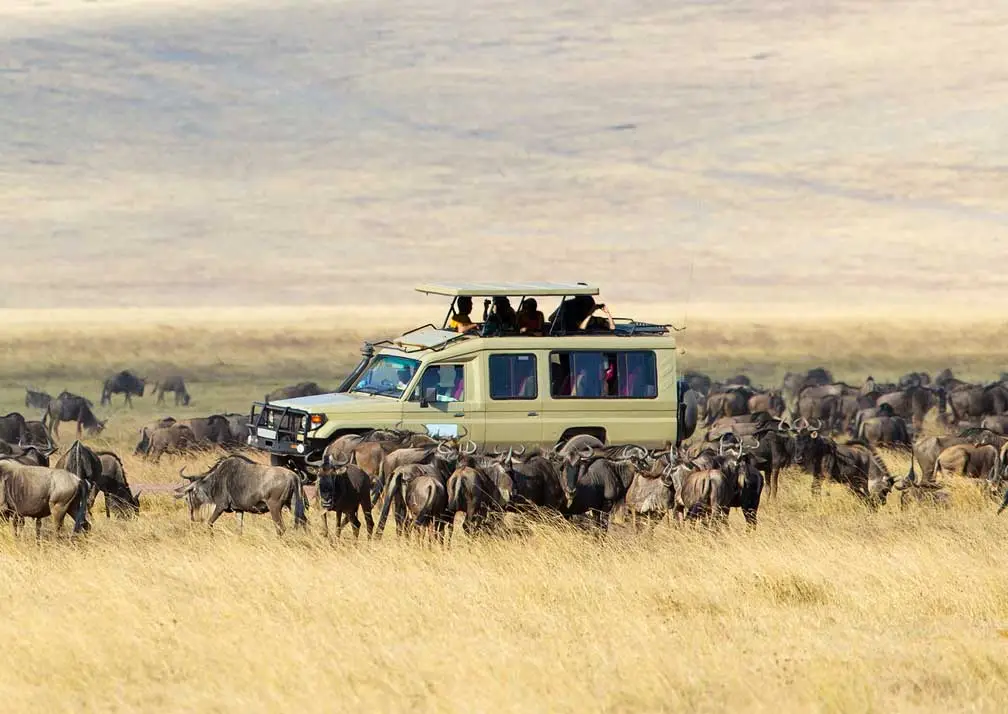
7-Day Great Migration Safari
Follow the migration corridor from the Serengeti to the Masai Mara and witness the dramatic Mara River crossings. The full northern circuit experience.
View Package →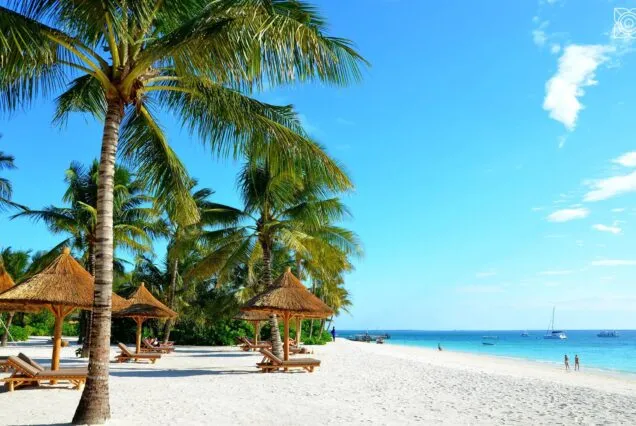
3-Day Zanzibar Beach Extension
Combine your Serengeti safari with three days on Zanzibar — spice markets, Stone Town, and the Indian Ocean coast.
View Package →
7-Day Kilimanjaro Machame Route
Africa's highest peak via the scenic Machame Route. Expert guides, careful acclimatisation, and strong summit success rates.
View Package →