1 Day Tanzania Safari Vacation Options
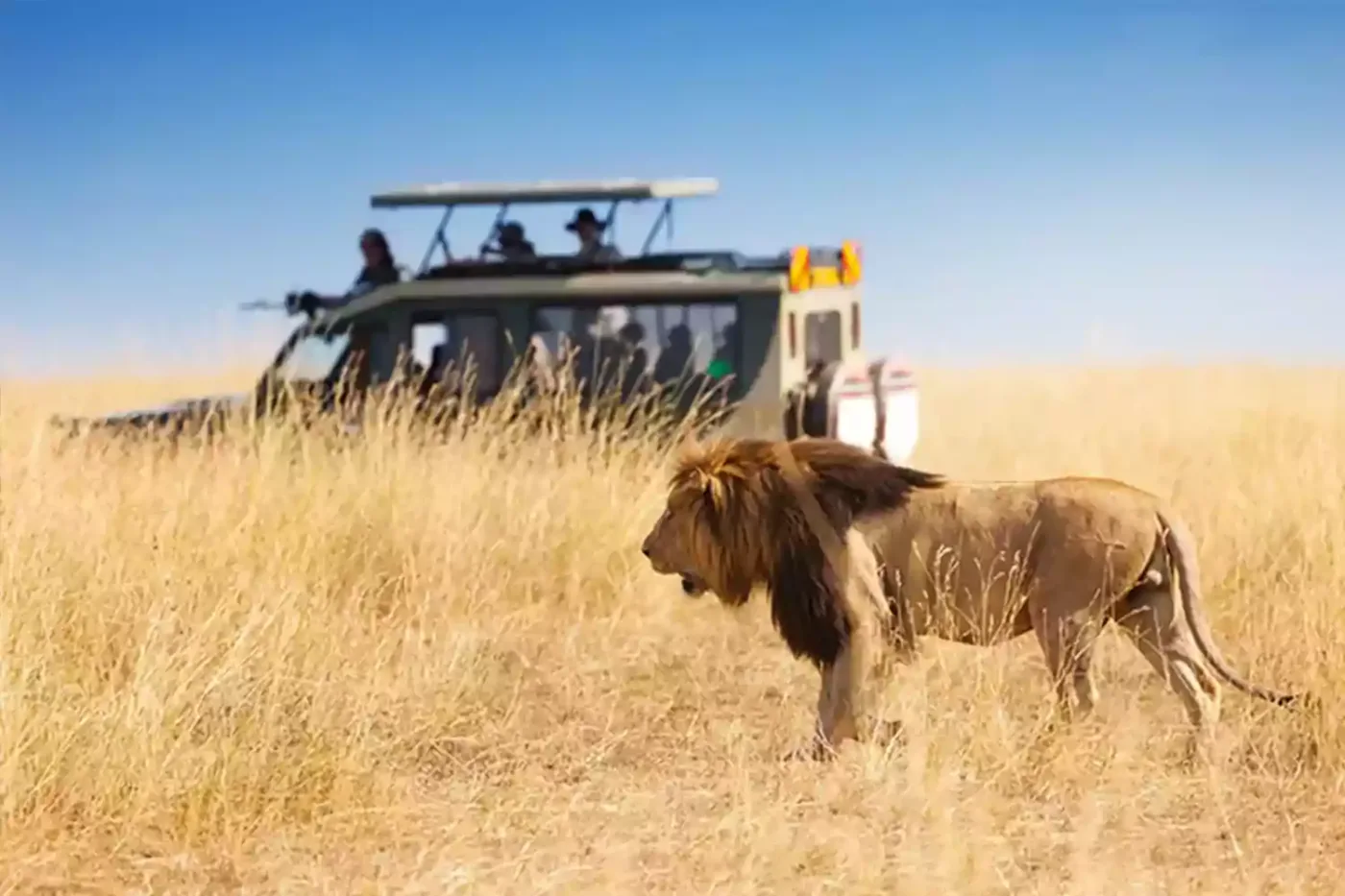
A one-day safari is perfect when you want wildlife without an overnight trip.
Best for: Stopovers, climbers and business travelers
Tell us how many full days you have and choose a safari that uses them well. One or two days is ideal for Tarangire, Lake Manyara, Arusha National Park or Ngorongoro; three or four days can add Serengeti; five to seven days gives first-time visitors the best balance of parks, wildlife and comfort; and eight days suits a complete Northern Circuit, family, photography, migration or luxury vacation. Multi-day safari prices start from USD 550 per person from Arusha and are customized for your group, dates and accommodation.
Show Me the Best OptionsChoose 1–2 days for a short wildlife escape near Arusha; 3–4 days when Serengeti is important but time is limited; 5–6 days for the strongest first-time safari with Serengeti, Ngorongoro and another park; or 7–8 days for a relaxed, complete vacation with more Serengeti time and specialist options. Select your available days below to see real routes, starting prices and detailed itineraries.
Choose 1–2 days. Visit one or two parks without using most of the trip on transfers.
See short safaris →Choose 3–4 days. Combine Serengeti and Ngorongoro on an active but rewarding route.
See Serengeti options →Choose 5 days. Get a strong balance of Serengeti, Ngorongoro, Tarangire and manageable driving.
See 5-day vacations →Choose 6–7 days. Enjoy more game-drive time, better lodge placement and fewer rushed transfers.
See relaxed safaris →Choose 8 days. Select family, photography, Great Migration, full Northern Circuit or luxury travel.
See 8-day vacations →| Available Durations | 1 to 8 days, with private, group joining, budget camping, mid-range, and luxury options. |
|---|---|
| Best All-Round Duration | 5 to 7 days for first-time visitors who want Serengeti, Ngorongoro, and at least one additional park. |
| Best Short Safari | 2 to 4 days for travelers with limited time, a business trip, a Kilimanjaro extension, or a Zanzibar combination. |
| Best for Serengeti | 4 to 8 days. Longer routes provide more nights in Serengeti and better access to seasonal migration regions. |
| Common Starting Point | Arusha, with transfers available from Moshi, Arusha Airport, and Kilimanjaro International Airport. |
| Core Destinations | Serengeti National Park, Ngorongoro Crater, Tarangire National Park, Lake Manyara National Park, and Arusha National Park. |
| Travel Styles | Private safari, scheduled group joining, family safari, honeymoon safari, photography safari, camping, lodge, and luxury tented camp. |
| Year-Round Travel | Possible throughout the year, with route and accommodation choices adjusted for wildlife movement, road conditions, crowds, and seasonal pricing. |
Swipe or scroll horizontally to view the complete table.
Best for day trips, stopovers, business travelers, Kilimanjaro climbers, and visitors who want one or two nearby parks without a long overland route.
Suitable for travelers who want Serengeti and Ngorongoro or a lower-driving combination of Tarangire, Lake Manyara, and Ngorongoro.
A strong choice for first-time visitors, couples, and families. It gives more game-drive time and a practical combination of major parks.
Best for wildlife enthusiasts, photographers, migration-focused travel, repeat visitors, and guests who prefer a slower pace with multiple nights in key areas.
Local guidance: Do not choose a safari only by counting destinations. A route with fewer parks and more time inside each one often produces better sightings, less fatigue, and a more enjoyable daily rhythm.
Select your available days to compare the most practical vacation routes and open detailed packages. Every displayed price is a starting price per person based on a safari starting and ending in Arusha. Your final quotation is adjusted for travel dates, number of travelers, accommodation category, room setup, pickup point, domestic flights and optional activities.
A one-day safari is perfect when you want wildlife without an overnight trip.
Two days gives you one overnight and enough time for one or two nearby parks.
Three days is the shortest practical road option for Serengeti and Ngorongoro.
Four days gives a better balance of Serengeti time, crater wildlife and road travel.
Five days is our strongest all-round recommendation for a first Tanzania safari.
Six days supports a complete safari with more relaxed game drives and lodge choices.
Seven days gives you a full week, several Serengeti drives and fewer rushed transfers.
Eight days is ideal for a complete or specialist vacation with the most flexibility.
After choosing the number of days, personalize the vacation around the experience you want. You can keep the same duration and change the comfort level, departure point, wildlife focus or route without starting your planning again.
Book a private, budget, camping, lodge, luxury, fly-in or group-joining safari.
Select your days first →Plan from Arusha, Moshi, Zanzibar or Kilimanjaro International Airport.
Find your duration →Prioritize the Big Five, elephants, predators, birds, photography or seasonal migration areas.
Choose a wildlife vacation →Select recommended camping, lodge, tented-camp or luxury properties, subject to availability and preference.
See pricing details →Need help now? Send your number of days, travel dates, group size and preferred budget. We will reply with the most practical route and matching package options.
Count the days available after international arrival and before your next flight. A late arrival at Kilimanjaro International Airport should normally be followed by an overnight stay in Arusha or Moshi. Treating the arrival day as a full safari day can create unnecessary pressure and reduce the value of your first game drive.
Serengeti is farther from Arusha than Tarangire or Lake Manyara. Travelers who consider Serengeti essential should usually choose at least three days, with four to six days offering a better road itinerary. A fly-in arrangement can save time but changes the budget.
Families with young children, older travelers, and guests who prefer relaxed lodge time should avoid changing accommodation every night. Photographers and serious wildlife travelers may accept early starts but still benefit from staying two or more nights in important areas.
A cheaper route may use accommodation far outside the parks or reduce time in high-value wildlife areas. Compare park fees, vehicle type, group size, meals, drinking water, guide service, airport transfers, and lodge location before deciding which package provides better value.
Travelers combining safari with Zanzibar should leave enough time for the final transfer or domestic flight. After Kilimanjaro, a two- to five-day safari may suit tired climbers better than a highly active route. The safari should fit the complete Tanzania trip, not operate as an isolated schedule.
Longer safaris do not guarantee every species, but they create more opportunities across different habitats and times of day. Repeated drives are especially useful for elusive cats and seasonal herd movements.
Extra days allow better overnight placement, fewer rushed departures, and more two-night stays. Short safaris require stricter route discipline to avoid spending too much time in transit.
One to three days should remain selective. Five to eight days can combine open plains, crater habitat, baobab woodland, lake environments, and cultural landscapes more naturally.
Longer routes can reach the Serengeti region most relevant to your month. Short routes usually focus on central areas or parks closer to Arusha to protect game-drive time.
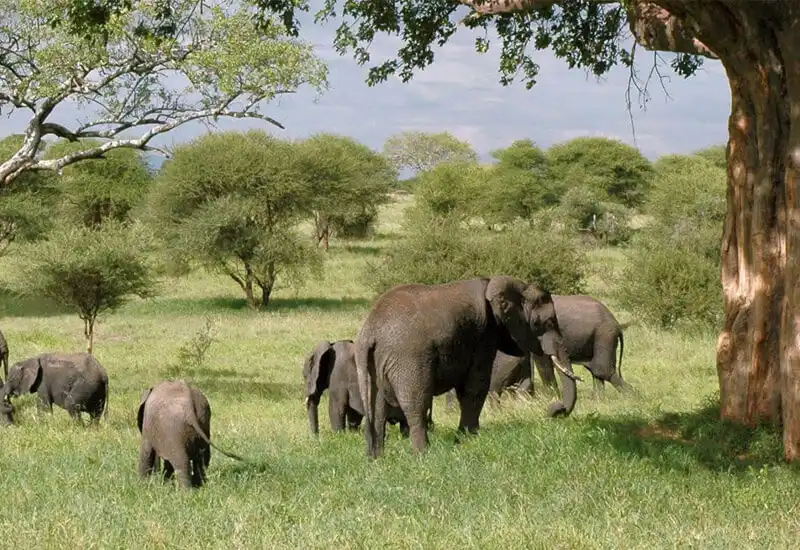
Tarangire fits almost every duration because it is accessible from Arusha and provides a strong first or final safari day. It is known for elephant herds, baobab landscapes, predators, antelopes, and concentrated dry-season wildlife. It is especially useful for one- to six-day itineraries.
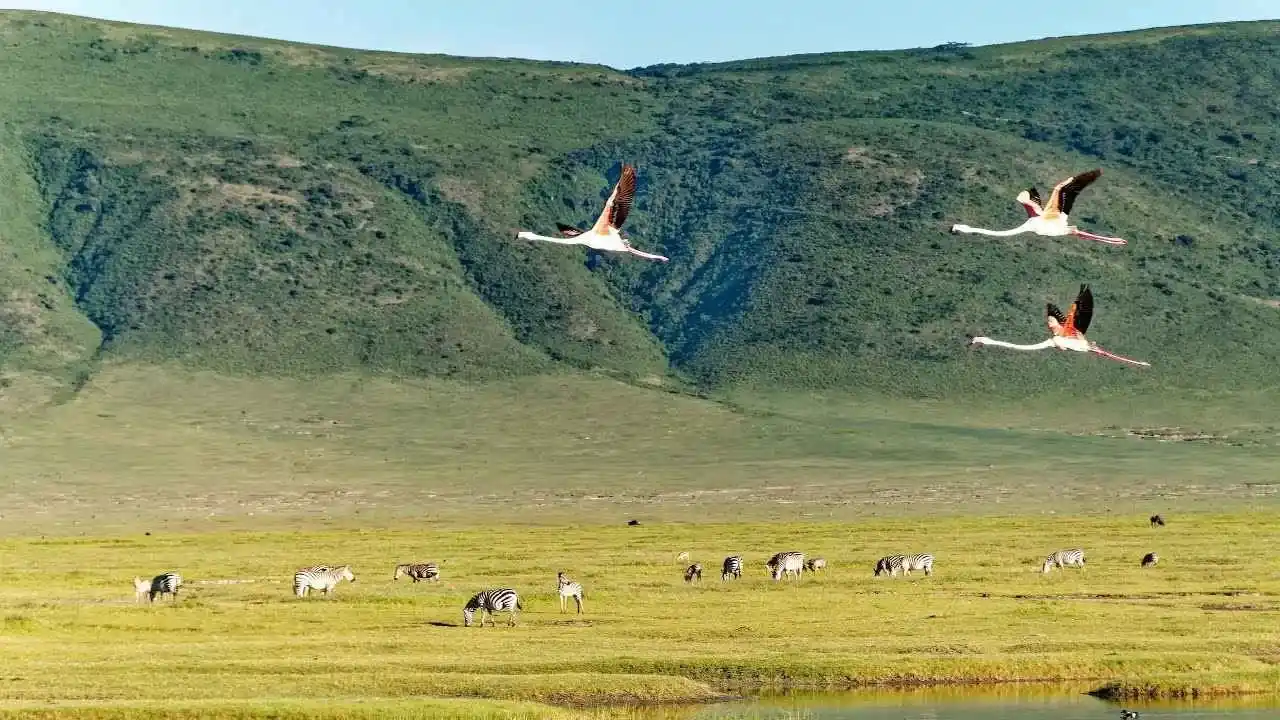
Ngorongoro Crater is one of the most efficient wildlife destinations for short safaris because many species share a relatively compact ecosystem. It works well from two days onward and combines naturally with Tarangire, Lake Manyara, and Serengeti. Early entry generally gives a calmer start to the crater game drive.
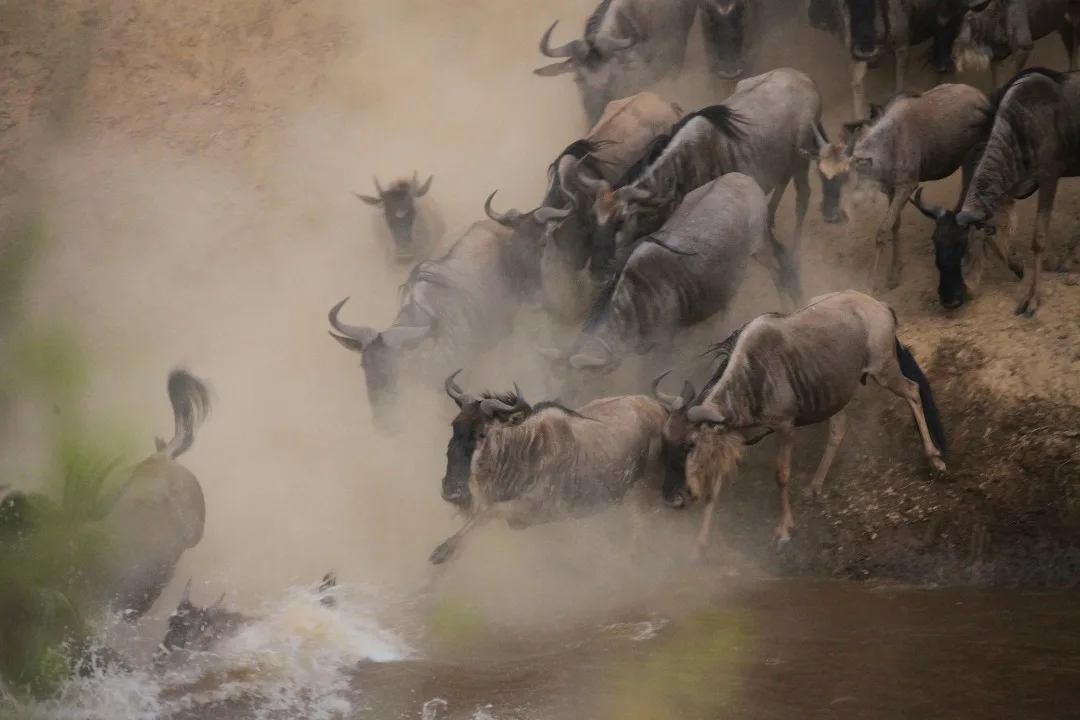
Serengeti becomes practical from three days, but four to eight days is better. Its size, wildlife density, big-cat opportunities, and seasonal movement make it a destination where additional nights have real value. The correct region—central, southern, western, or northern—depends on travel month and route design.
Lake Manyara adds groundwater forest, escarpment scenery, monkeys, elephants, hippos, and birdlife. It is useful for one-day trips and as a first or final park on two- to six-day safaris. Whether it should replace more time in Serengeti depends on your wildlife priorities.
Arusha National Park suits one-day safaris, arrival extensions, walking activities, and canoeing where available. It offers forest, lakes, Mount Meru views, giraffes, primates, and birdlife, but it is not a substitute for Serengeti or Ngorongoro when classic big-game viewing is the main goal.
Private safaris are available across all durations and give you control over departure times, route, accommodation, rest stops, and game-drive priorities. They are especially useful for families, photographers, honeymooners, and travelers connecting with fixed flights. The vehicle cost is shared among the people in your booking, so private safaris can become good value for small groups.
Group joining safaris are most common on popular two- to seven-day Northern Circuit routes. They help solo travelers and couples share vehicle and guide costs, but the schedule, accommodation category, luggage allowance, and pickup arrangements are less flexible. Confirm whether every guest has a window seat and whether the departure is guaranteed.
Use the starting prices on this page to identify packages that may suit your budget, then request a quotation for your exact dates and group. The final price and confirmed accommodation are prepared around your selected route rather than treated as one fixed package for every traveler.
Where an itinerary displays a price, it is presented as “starts from USD X per person” and is based on the safari starting and ending in Arusha. The final amount may change because of travel season, number of travelers, park-fee changes, accommodation category, child ages, single-room supplements, airport or Moshi transfers, Zanzibar flights and optional activities.
Named lodges and camps are recommendations rather than guarantees. They may be confirmed when available, replaced with a comparable property in the same category, or changed according to the client’s budget, location preference, room needs and comfort level. The final confirmed properties and any price difference appear in the written quotation.
Best for cost-conscious and adventurous travelers. Camping routes usually include tents, camping equipment, a cook, meals, and public or selected private campsites.
The most popular balance of comfort and price, with private bathrooms, proper beds, meals, and locations chosen to support practical daily game drives.
Suitable for honeymooners and comfort-focused travelers, offering stronger locations, spacious rooms, refined service, and additional amenities depending on the property.
A route can combine accommodation levels—for example, a comfortable lodge near Tarangire and a tented camp inside Serengeti—to balance budget and wildlife access.
The dry season is popular for wildlife viewing because vegetation is generally thinner and animals often gather around dependable water. Roads are usually easier, but demand and accommodation rates can be higher. Northern Serengeti becomes important for migration-focused travel during part of this period.
The green season brings fresh landscapes, dramatic skies, birdlife, and fewer visitors during selected months. January to March is especially relevant to the southern Serengeti and Ndutu ecosystem. Rainfall patterns vary, and showers do not automatically prevent a successful safari.
Shoulder months can provide a useful balance of wildlife, photography conditions, availability, and cost. The best duration does not change completely by season, but accommodation location and park order may need adjustment.
Explore Serengeti routes, seasonal regions, wildlife, migration planning, and safari package options.
Compare crater-focused safaris and practical combinations with Serengeti, Tarangire, and Lake Manyara.
Plan elephant-focused safaris, day trips, and Northern Circuit routes through Tarangire.
Learn when Lake Manyara fits your route and what to expect from its forest, lake, and birdlife.
Understand airport transfers, pre-safari accommodation, and logistics from Tanzania’s main Northern Circuit hub.
Compare wildlife seasons, rainfall, crowds, migration regions, and travel conditions.
Understand how duration, group size, park fees, accommodation, and season affect price.
Prepare clothing, luggage, camera equipment, medication, and useful game-drive items.
Compare flexibility, pricing, departure schedules, vehicle space, and suitability.
Capable Africa Tours plans safari routes from inside Tanzania. Our recommendations consider real driving distances, park entry timing, lodge location, seasonal wildlife movement, airport connections, and the comfort of your group. We help you select the right duration before adding destinations, so the itinerary remains practical rather than looking impressive only on paper.
Send your travel dates, number of full safari days, group size, arrival point and preferred comfort level. We will recommend the best route, show suitable package options and prepare a written quotation based on Arusha or your required starting point.